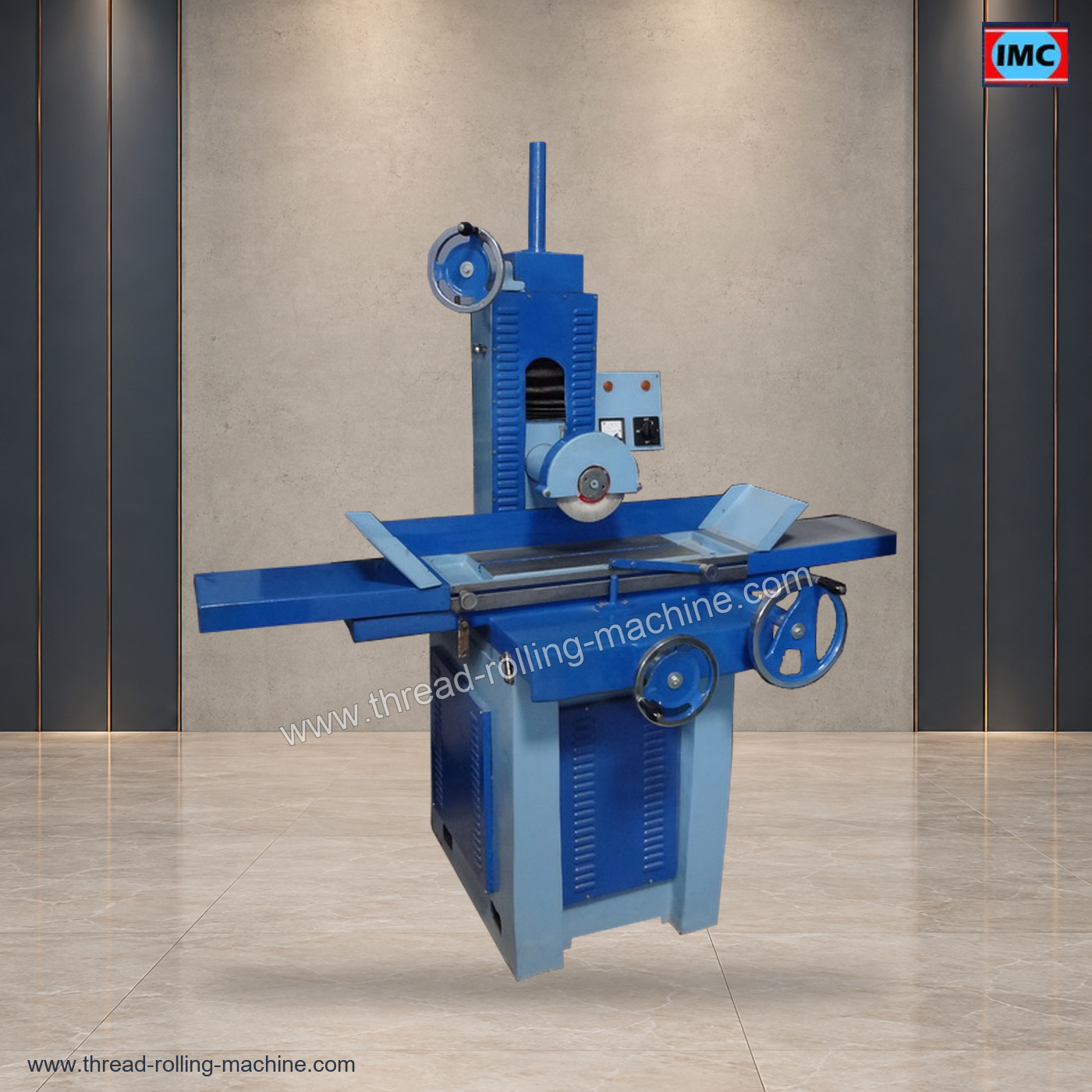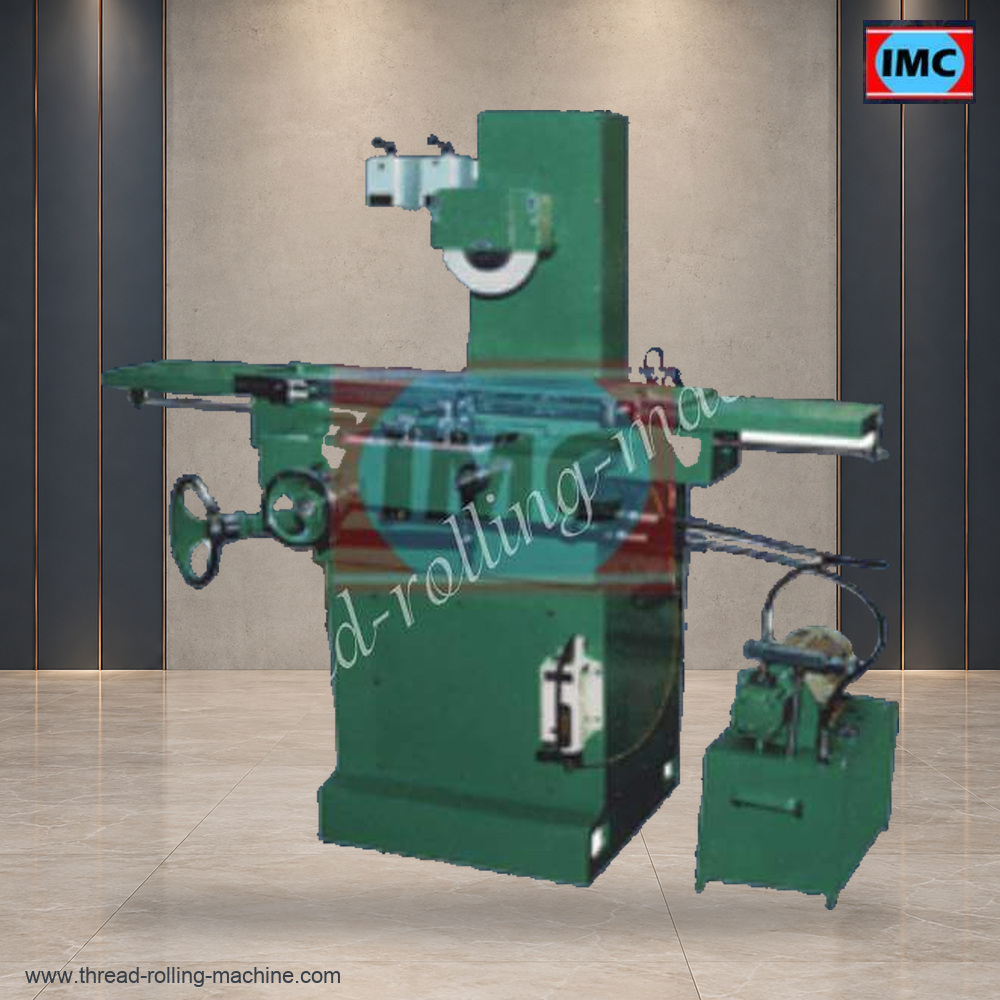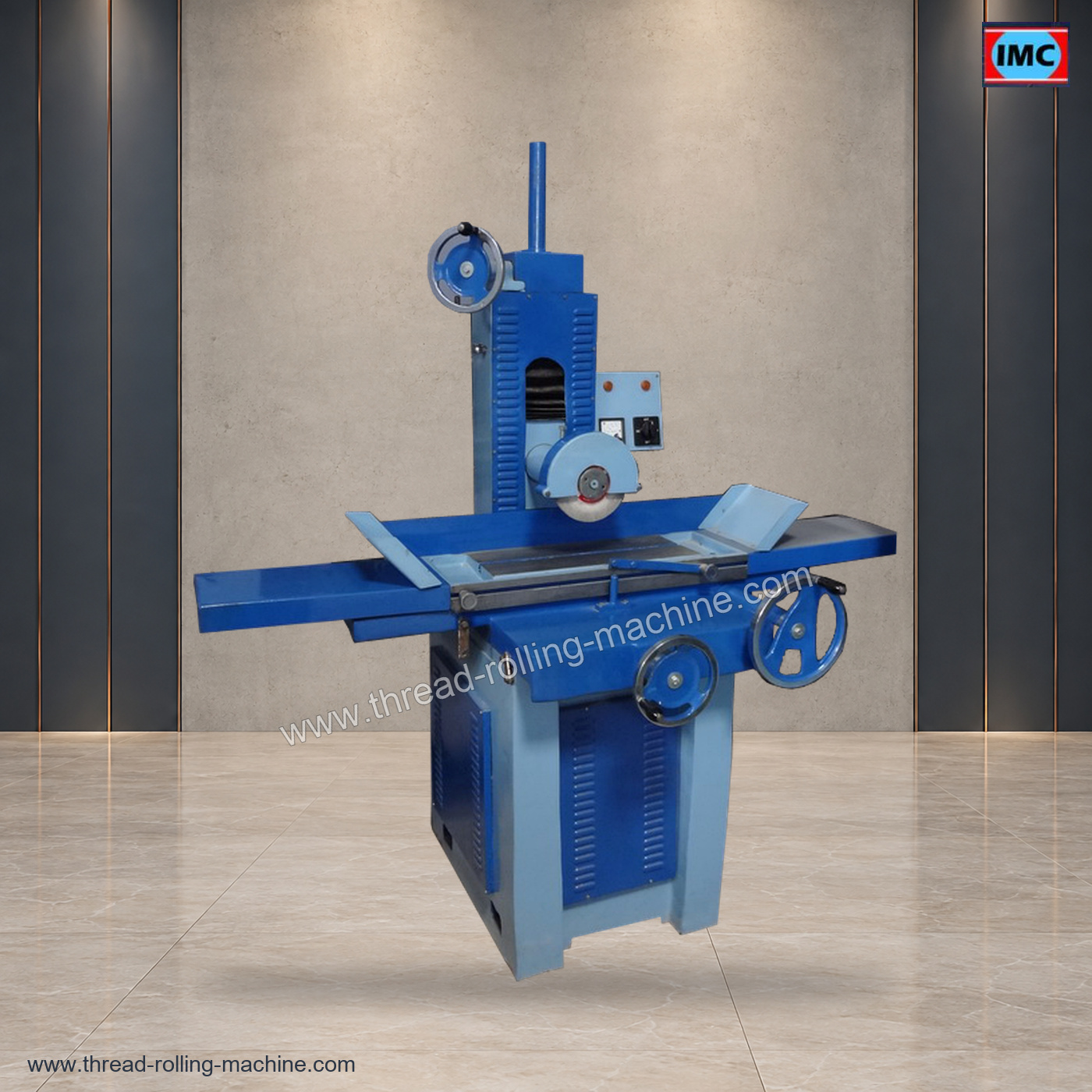
Review Hydraulic Surface Grinder for Flat Metal Surfaces for your component and the required production operation.
Place the operation in the production route
The role of this equipment is to grind flat metal workpiece surfaces with a suitable grinding wheel and hydraulic surface-grinding configuration. Compare the incoming stock with the component required by the next manufacturing or assembly stage. Define workpiece material and dimensions, stock allowance, flatness and finish requirement. The finished drawing should show which dimensions and surfaces this operation must produce.
Plan handling and changes between jobs
Review table working area and travel, workholding, wheel suitability and coolant arrangement, together with loading space and the movement of the component between stages. Grinding capacity must include workholding and wheel clearance, not only the size of the machine table. List the sizes and batch quantities before discussing output. Tool changes, handling and inspection should be included when assessing the proposed workshop arrangement.
Connect quality checks to machine selection
Agree how the component will be assessed for surface finish, flatness and finished dimensions according to the part drawing. Identify the representative material and sample needed to establish the setup. Compare the listed models against the drawing and the operation, then ask IMC to state the supplied tools and accessories. Add the chosen options and quantity to the Quote List with the material, destination and power details so the offer reflects the actual production requirement.