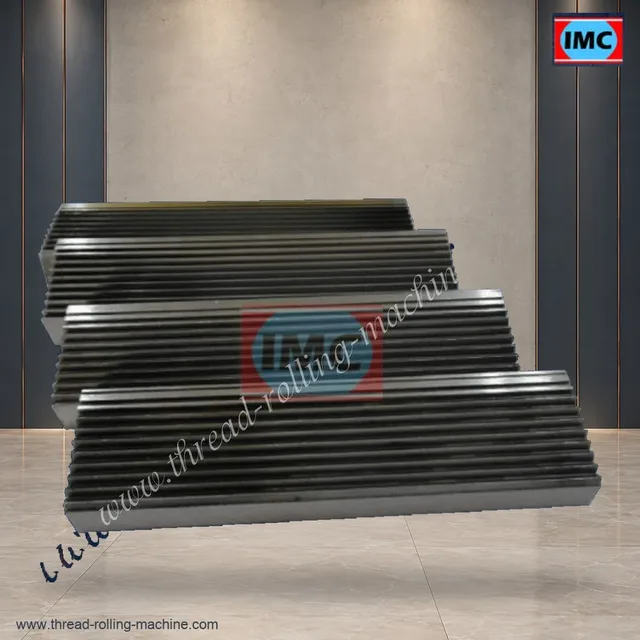
Pipe and Bolt Threading Chaser
Review Rod & Bolt Threading Tangential Chasers for your component and the required production operation. Place the operation in the production routeThe role of this equipment is to cut external th ...
VIEW MOREIndustrial Machinery Corporation

 Internal Threading Machine, Tapping Threading Machine
 Internal threading machine Manufacture | Threading Taps
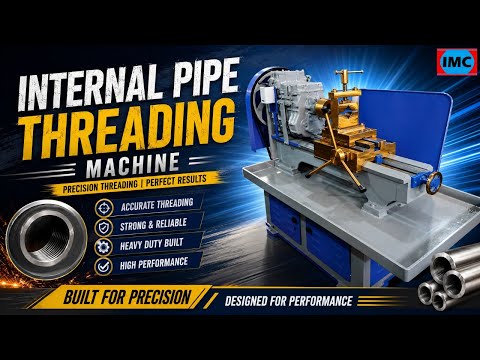 Internal Threading Machine Manufacturer | Heavy Duty Thread Cutting
 Internal Prop Cup Nut Tapping Threading Machine for Scaffolding
 Scaffolding Cup Nut Tapping Threading Machine
 Scaffolding Tapping Threading Machine For Cup Nut With Handle
 Internal Threading Machine | Internal Pipe Thread Cutting Machine by IMC
 IMC Scaffolding Prop Cup Threading Machine With Handle Manufacturing Best Quality Machinery
 Enhancing Scaffold Construction: Introducing the Internal Prop Cup Nut Tapping Threading Machine
 Internal Threading Machine, Tapping Threading Machine
 Internal Threading Machine | Internal Pipe Thread Cutting Machine by IMC
 Internal Threading Machine Manufacturer #industrialmachine #machine #internalthreadingmachine
 Seamless Precision: Your Trusted Internal Threading Machine Manufacturer
 Scaffolding Cup Nut Tapping Threading Machine | Precision & Efficiency
 Scaffolding Tapping and Threading Machine for Cup Nut with Handle | Precision Engineering by IMC
 Taper Pipe Threading Machine | Pipe Threader Manufacturer in India
 SS Steel Threading Machine | Precision Threading Solutions by IMC
Loading playlist videos...
Model data and technical details supplied for this product. Final configuration can be confirmed against your application.
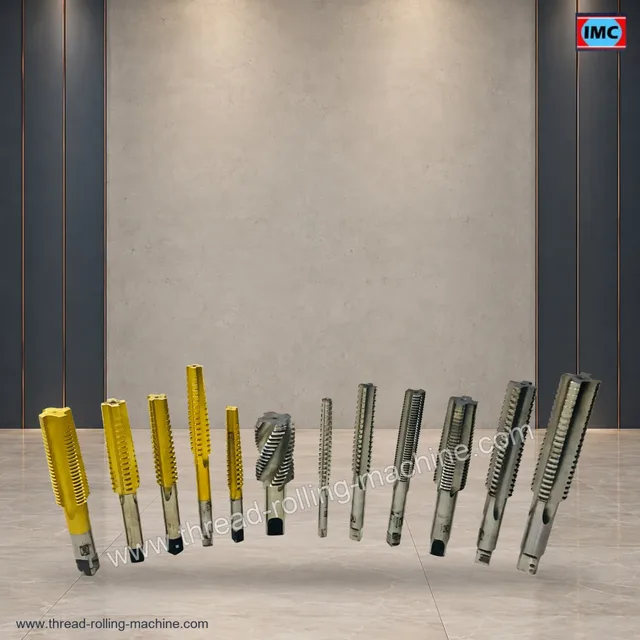
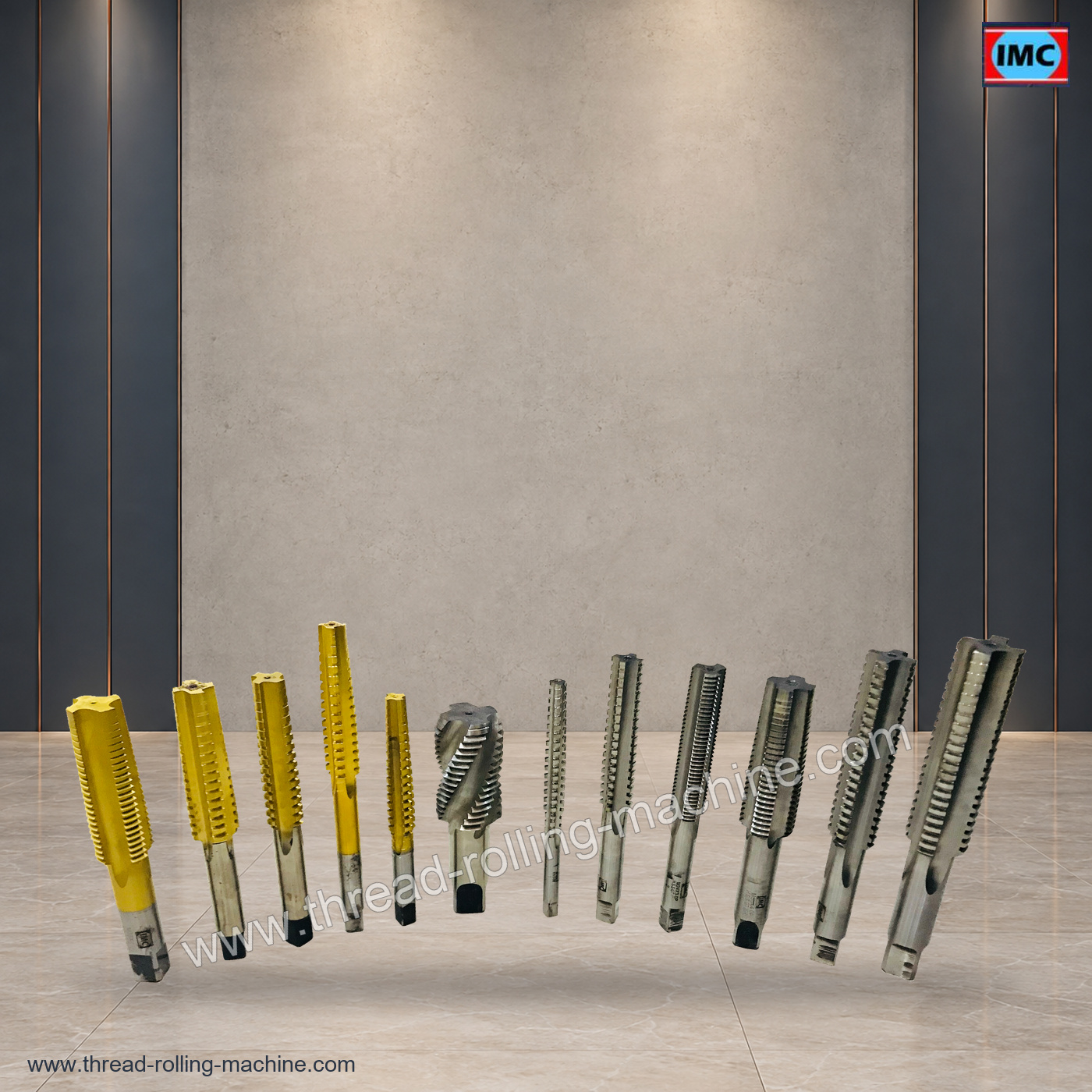
IMC Threading taps are cutting tools that are used to create internal threads in materials such as metal, plastic, or wood. Threading taps come in various shapes and sizes and are used for different types of threading applications.
The threading tap works by cutting threads into the material as it rotates, using sharp edges on the tap to remove material and form the threads. The tap is inserted into a pre-drilled hole in the material, and then rotated using a tap wrench or machine to create the desired threads.
IMC Threading taps can be made from various materials, such as high-speed steel or carbide, depending on the material being threaded and the specific application. They are available in different types such as straight-flute, spiral-flute, and spiral-point taps.
IMC Threading taps are used in a variety of industries, such as manufacturing, construction, and automotive, for applications that require threaded holes or components. They are commonly used for creating threads on bolts, screws, and other fasteners, as well as for creating threaded holes in metal components such as engine blocks and transmission housings.
The Threading Taps are offered by Industrial Machinery Corporation. Different types of Threading Tap can be used for internal threads such as BSW, NPT, UNF, METRIC, UNC, ACME, BSF Threads etc. Industrial Machinery Corporation will also offer the benefit of customization.
Send the thread designation, pitch, hole depth and workpiece material. Include the machine or holder details and specify through-hole or blind-hole use.
Threading taps cut internal threads and must match the hole, material and required thread standard. Tap selection also depends on whether the hole is through or blind and how the tool is driven.
Include the internal thread standard, nominal size, pitch, material and hole depth. State whether the hole is blind or through, and provide the required tolerance or gauge specification.
Review Rod & Bolt Threading Tangential Chasers for your component and the required production operation. Place the operation in the production routeThe role of this equipment is to cut external th ...
VIEW MORE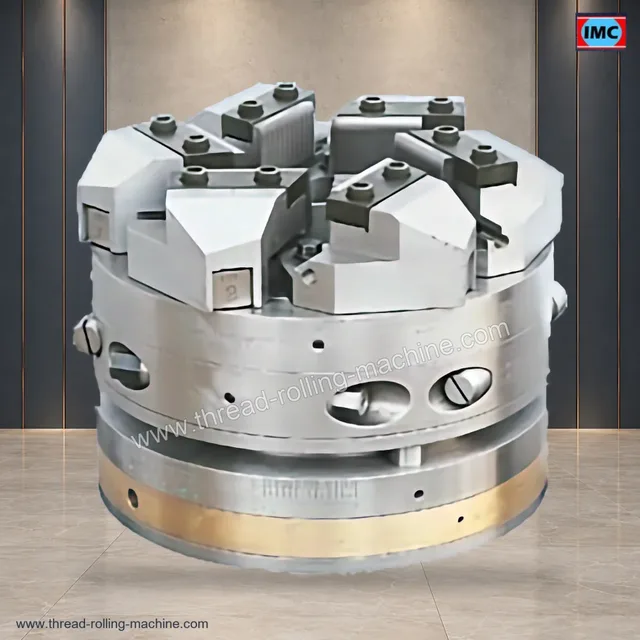
Review Pipe & Bolt Thread Cutting Die Head for your component and the required production operation. Place the operation in the production routeThe role of this equipment is to carry matched threa ...
VIEW MORE